
 Supplements Since 2004
 Free Fast Shipping $150+
 Reward Points
 Australian Store Locations
 See our reviews
Quick Summary
- Gamma-Linolenic Acid (GLA) is an omega-6 fatty acid naturally produced in the body from linoleic acid. 🌱
- GLA is found in high concentrations in borage oil, evening primrose oil, and blackcurrant seed oil.
- GLA may support healthy skin, help reduce inflammation, and is often studied for atopic dermatitis (eczema).
- Research suggests GLA may benefit diabetic nerve function, dry eye syndrome, and rheumatoid arthritis.
- GLA is generally well tolerated with no major negative side effects reported in clinical studies.
- Common supplemental intakes range from 100 mg to 1500 mg per day.
- GLA is often combined with fish oil to provide a balanced profile of omega-3 and omega-6 fatty acids.
- GLA is considered safe, with no major contraindications identified in scientific literature. ✔️
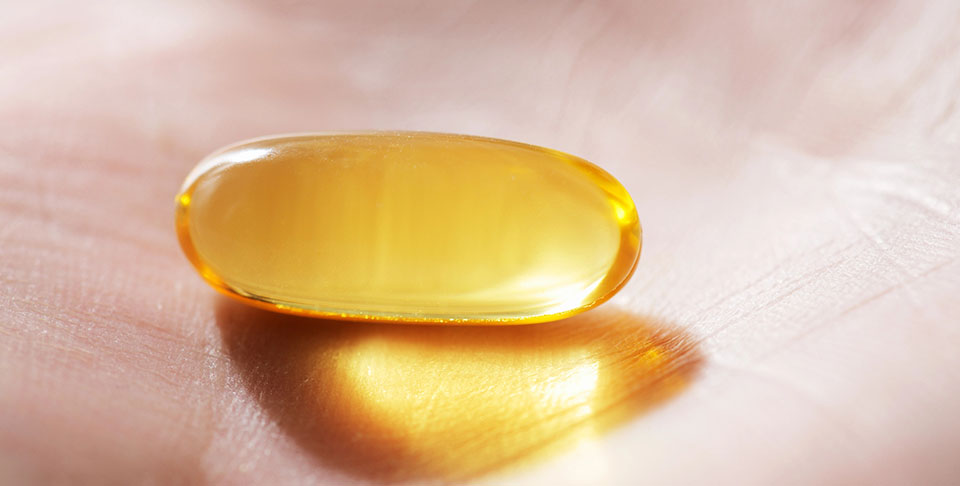
Gamma-Linolenic Acid (GLA) is a unique omega-6 essential fatty acid that plays a role in the body’s inflammatory pathways, skin health, and cellular function. Although most omega-6 fatty acids are associated with pro-inflammatory activity, GLA is an exception—its metabolites often produce anti-inflammatory effects, making it one of the more nutritionally beneficial omega-6s.
What Is GLA? 🧬
GLA (Gamma Linolenic Acid) is a polyunsaturated omega-6 fatty acid formed in the human body from linoleic acid—a common fatty acid found in vegetable oils, nuts, and seeds. While the body can convert linoleic acid to GLA, this conversion can be inefficient or impaired by factors such as aging, stress, illness, or poor diet. For this reason, many people choose to supplement GLA directly from plant oils rich in this essential fatty acid.
Where Does GLA Come From? 🌿
Although GLA can be synthesised internally, dietary sources provide a more reliable and concentrated supply. The richest natural sources of GLA include:
- Borage oil – typically the highest GLA content among plant oils.
- Evening Primrose Oil (EPO) – widely used in skin and hormonal health supplements.
- Blackcurrant seed oil – another reliable natural source of GLA.
These oils are commonly found in capsule form and are used for a variety of wellness and dermatological applications.
GLA Benefits 🌟
GLA has been studied for several decades due to its anti-inflammatory potential and wide range of physiological roles. Research suggests several notable benefits:
1. Skin Health & Atopic Dermatitis (Eczema) 🧴
GLA may help reduce skin dryness, scaling, redness, and inflammation associated with atopic dermatitis. Multiple clinical trials have explored the effects of GLA-rich oils—particularly evening primrose oil and borage oil—showing improvements in skin hydration and symptom severity in some participants.
2. Diabetic Neuropathy 🦶
Some studies indicate that long-term supplementation with GLA may help support nerve function in individuals with diabetic neuropathy, potentially improving nerve conduction and reducing symptoms.
3. Dry Eye Syndrome 👁️
GLA may support eye comfort and tear quality in people with inflammatory dry eye, with some research showing beneficial outcomes when taken consistently.
4. Rheumatoid Arthritis (RA) 🤲
GLA from evening primrose oil and borage oil has been studied for its potential to support joint comfort and reduce inflammation in rheumatoid arthritis. Some studies suggest reductions in joint tenderness, morning stiffness, and overall symptom severity when GLA is used as part of a long-term regimen.
5. PMS, Mastalgia & Menopausal Symptoms 🌸
GLA-containing oils have been traditionally recommended for various hormonal symptoms, such as breast tenderness (mastalgia), PMS discomfort, and menopausal flushing. However, research findings in these areas are mixed and remain inconclusive.
Negative Side Effects of GLA ⚠️
GLA is generally well tolerated, and clinical research reports minimal negative effects. Some people may experience mild digestive discomfort when taking high doses, but adverse reactions are rare. Overall, GLA is considered safe for long-term use in healthy adults.
Recommended Dosages & Timing ⏱️
Typical daily doses of supplemental GLA range from:
- 100 mg to 1500 mg per day, depending on health goals and product strength.
GLA supplements can be taken with or without food, and consistency over several weeks is key to achieving measurable benefits.
GLA Supplements 💊
GLA is most commonly found in:
- Evening Primrose Oil (EPO)
- Borage Oil
- Blackcurrant Seed Oil
Some formulas combine evening primrose oil with fish oil, providing both omega-6 (GLA) and omega-3 fatty acids to support inflammatory balance.
Stacking GLA 🤝
GLA is frequently combined with:
- Fish oil – adding EPA & DHA to create a synergistic anti-inflammatory profile.
This combination is common in supplements designed to support joint health, skin health, and overall wellness.
GLA Safety ✔️
There are no major precautions or contraindications noted in the scientific literature for most healthy adults. However, any individuals with specific medical conditions, pregnancy considerations, or those taking medications should consult a health professional before use.
FAQs About GLA (Gamma Linolenic Acid) ❓
What is GLA?
GLA, or Gamma Linolenic Acid, is an omega-6 essential fatty acid found in plant oils such as evening primrose, borage, and blackcurrant seed oil. It plays roles in inflammation regulation and skin health.
What is GLA used for?
GLA is commonly used to support skin hydration, reduce inflammation, and assist with conditions such as eczema, dry eye syndrome, and rheumatoid arthritis.
Is GLA safe?
Yes, GLA is generally recognised as safe with no major negative side effects reported in research studies.
How much GLA should I take?
Most people take between 100 mg and 1500 mg per day, depending on supplement strength and individual needs.
Can I take GLA with fish oil?
Yes. GLA is commonly stacked with fish oil to provide a balanced fatty acid profile that supports joint, skin, and inflammatory health.
References
- Kawamura A, et al. Dietary supplementation of gamma-linolenic acid improves skin parameters in subjects with dry skin and mild atopic dermatitis. J Oleo Sci. 2011;60(12):597-607.
- Foster RH, et al. Borage oil in the treatment of atopic dermatitis. Nutrition. 2010;26(7-8):708-718.
- Senapati S, et al. Evening primrose oil is effective in atopic dermatitis: a randomized placebo-controlled trial. Indian J Dermatol Venereol Leprol. 2008;74(5):447-452.
- Schalin-Karrila M, et al. Evening primrose oil in the treatment of atopic eczema. Br J Dermatol. 1987;117(1):11-19.
- Kanehara S, et al. Clinical effects of borage oil–coated clothing in children with atopic dermatitis. J Dermatol. 2007;34(12):811-815.
- Morse NL, Clough PM. Meta-analysis of evening primrose oil for atopic eczema. Curr Pharm Biotechnol. 2006;7(6):503-524.
- Horrobin DF. Essential fatty acids in diabetic nerve function. Diabetes. 1997;46(Suppl 2):S90-93.
- Barabino S, et al. GLA therapy in dry eye syndrome. Cornea. 2003;22(2):97-101.
- Brzeski M, et al. Evening primrose oil in rheumatoid arthritis. Br J Rheumatol. 1991;30(5):370-372.
- Belch JJ, Hill A. Evening primrose oil and borage oil in rheumatologic conditions. Am J Clin Nutr. 2000;71(1 Suppl):352S-356S.
- Stonemetz D. Review of evening primrose oil. Holist Nurs Pract. 2008;22(3):171-174.
- Chenoy R, et al. Gamolenic acid for menopausal flushing. BMJ. 1994;308:501-503.