 Supplements Since 2004
 Free Fast Shipping $150+
 Reward Points
 Australian Store Locations
 See our reviews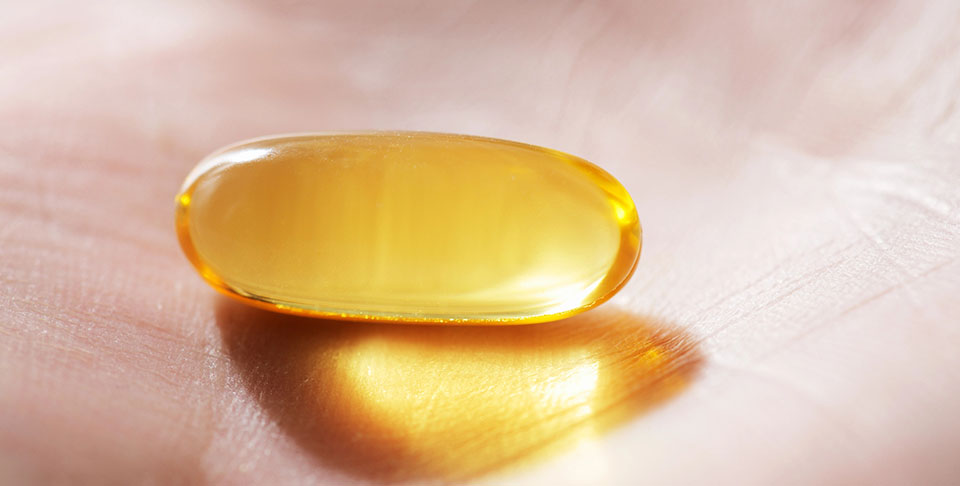
Quick Summary
- Krill oil is derived from small crustaceans and is rich in omega-3 fatty acids, particularly EPA and DHA.
- It also contains astaxanthin, a potent antioxidant that protects cells from oxidative stress.
- Krill oil offers benefits for joint health, heart function, and cognitive performance—key areas for athletes and bodybuilders.
- Unlike fish oil, krill oil’s omega-3s are bound to phospholipids, aiding better absorption.
- Krill oil may support faster post-exercise recovery and reduce inflammation caused by intense training.
- Studies suggest krill oil may help reduce muscle soreness and support endurance capacity.
- It's typically dosed at 500–1000mg per day and is well tolerated by most users.
- Krill oil stacks well with protein, creatine, and joint support formulas.
What is Krill Oil?
Krill oil is a supplement derived from Antarctic krill, tiny shrimp-like marine animals that are a crucial part of the ocean food chain. It’s rich in omega-3 fatty acids—particularly eicosapentaenoic acid (EPA) and docosahexaenoic acid (DHA)—which are well known for their benefits to cardiovascular health, inflammation control, and cognitive function.
Unlike traditional fish oil, the omega-3s in krill oil are attached to phospholipids, which improves their absorption and utilization by the body. Krill oil also contains astaxanthin, a powerful antioxidant responsible for its deep red colour and cellular protective properties.
Krill Oil Benefits for Fitness and Bodybuilding
- Supports Joint Health: Intense resistance training and repetitive movements can take a toll on joints. The anti-inflammatory properties of krill oil may help reduce joint pain, stiffness, and swelling, allowing for better performance and faster recovery between sessions.
- Enhances Recovery: The omega-3s in krill oil help mitigate inflammation, which can accelerate muscle recovery and reduce delayed-onset muscle soreness (DOMS) after hard training sessions.
- Promotes Cardiovascular Health: A healthy heart supports endurance and recovery. EPA and DHA help reduce blood triglycerides, lower resting blood pressure, and improve overall cardiovascular efficiency.
- Improves Cognitive Function and Focus: DHA is vital for brain function, and many users report improved mental clarity, focus, and mood—all essential for motivation and peak performance in the gym.
- Hormonal Balance: Omega-3s support healthy testosterone levels by managing inflammation and promoting better cholesterol profiles—both important for strength and muscle development.
Krill Oil vs Fish Oil: Which is Better?
- Superior Absorption: Krill oil’s omega-3s are bound to phospholipids, making them easier for the body to absorb compared to fish oil’s triglyceride-bound format.
- Contains Astaxanthin: This antioxidant is not found in most fish oils and provides additional cellular protection, especially beneficial for those undergoing physical stress.
- Smaller Doses Required: Due to better absorption, you may need less krill oil to achieve similar or better results than standard fish oil.
- No Fishy Aftertaste: Many users find krill oil to be easier on the stomach and less likely to cause burping or a fishy aftertaste.
Krill Oil for Inflammation and Recovery
Intense workouts can lead to microscopic muscle tears and subsequent inflammation. Krill oil’s anti-inflammatory action helps reduce systemic inflammation, shortening recovery time and allowing athletes to train harder and more frequently.
Its benefits may be particularly valuable for:
- Older lifters experiencing joint wear and tear.
- Competitors training twice per day.
- Bodybuilders during high-volume training blocks or contest prep phases.
Recommended Dosage & Timing
A typical krill oil dosage ranges from 500 mg to 1000 mg per day, ideally taken with a meal containing fats to further enhance absorption.
For bodybuilders or those with high training loads, up to 2000 mg daily may be used under supervision to support inflammation control and recovery. However, it’s always best to start with a lower dose and assess tolerance.
Krill Oil Side Effects and Safety
Krill oil is well tolerated by most people. Some mild side effects may include:
- Stomach upset (rare)
- Mild gastrointestinal discomfort
- Possible interaction with blood-thinning medications (due to omega-3’s natural anti-clotting properties)
Always consult a healthcare provider if you are on medication or have a seafood allergy before starting krill oil supplementation.

Krill Oil Supplements in Australia
High-quality krill oil supplements are readily available in Australia and are often included in wellness or joint-support product lines. At Mr Supplement, we cater to athletes seeking science-backed supplements that deliver results. Look for krill oil products with:
- Standardised EPA/DHA content
- A minimum of 100 mcg of astaxanthin
- Sustainably sourced Antarctic krill (often certified by the MSC)
Stacking Krill Oil with Other Supplements
Krill oil stacks well with:
- Protein powders – to support muscle growth and repair
- Creatine – for increased strength and recovery
- Joint support formulas – for additional joint resilience
- Pre-workouts – to enhance training intensity while krill oil supports recovery
- Multivitamins – for daily micronutrient support
Conclusion
Krill oil is a powerful, natural supplement with wide-ranging benefits for athletes, gym-goers, and bodybuilders. From improving joint health and reducing inflammation to supporting cardiovascular and brain function, krill oil is a smart addition to any training and nutrition program.
If you're looking for an edge in recovery, mental focus, and long-term joint health, consider adding krill oil to your supplement stack today.
References
- Ulven, S.M., et al. (2011). Metabolic effects of krill oil vs fish oil. Lipids, 46(1), 37–46.
- Bunea, R., et al. (2004). Neptune Krill Oil on hyperlipidemia. Alternative Medicine Review, 9(4), 420–428.
- Maki, K.C., et al. (2009). Krill oil reduces triglycerides. Nutrition Research, 29(9), 609–615.
- Deutsch, L. (2007). Krill Oil and chronic inflammation. JACN, 26(1), 39–48.
- Laidlaw, M., Holub, B.J. (2003). Fish oil and visual function. Journal of the American College of Nutrition, 22(2), 132–138.
- Shephard, R.J. (2008). Omega-3 and inflammation. Canadian Medical Association Journal, 178(2), 177–180.
Frequently Asked Questions (FAQs)
Is krill oil better than fish oil for bodybuilding?
Krill oil may offer better absorption of omega-3 fatty acids thanks to its phospholipid structure. It also contains astaxanthin, which supports recovery and cellular protection. This makes it a smart choice for bodybuilders looking to enhance recovery and reduce inflammation.
Does krill oil help with post-workout muscle soreness?
Yes, the omega-3s in krill oil help manage inflammation, which can reduce delayed onset muscle soreness (DOMS) after intense training. This may lead to faster recovery and more frequent training sessions.
Can I stack krill oil with creatine or protein?
Absolutely. Krill oil stacks well with creatine, protein powders, multivitamins, and joint-support supplements. It complements muscle-building and recovery-focused regimens effectively.
How much krill oil should I take daily?
Most people take 500–1000mg of krill oil per day. Athletes with high training loads may take up to 2000mg daily, but it’s best to start low and assess your individual tolerance.
Are there any side effects of taking krill oil?
Krill oil is generally well tolerated. Mild digestive upset can occur in rare cases. Individuals with seafood allergies or those on blood-thinning medications should consult a healthcare professional before use.