
 Supplements Since 2004
 Free Fast Shipping $150+
 Reward Points
 Australian Store Locations
 See our reviews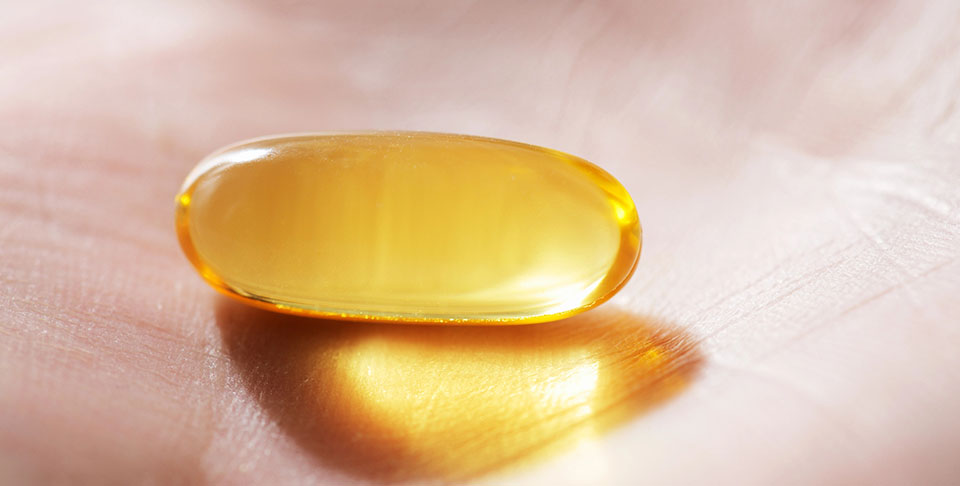
Quick Summary 🌿
- 🌼 Evening primrose oil (EPO) is extracted from the seeds of the Oenothera biennis plant and is rich in gamma-linolenic acid (GLA), a key omega-6 fatty acid.
- 💊 EPO is commonly used to support hormonal balance, reduce inflammation, and improve skin health.
- 🩸 It may assist with managing PMS symptoms, including bloating, mood swings, and breast tenderness.
- 🔥 EPO’s GLA content helps reduce inflammation and may benefit those with conditions like rheumatoid arthritis or eczema.
- 📊 Doses typically range from 1g to 6g per day, providing between 80–540mg of GLA.
- 🧴 EPO is available as a stand-alone supplement or blended with other essential fatty acids.
- 😌 Possible side effects include mild digestive upset or headaches; caution is advised when combining with anticoagulant medications.
- 🤝 EPO may be stacked with fish oil or protein, but should not be used with certain herbal supplements or seizure medications.
What is Evening Primrose Oil? 🌱
Evening primrose oil (EPO) is derived from the seeds of the evening primrose plant, Oenothera biennis. It’s especially valued for its high content of gamma-linolenic acid (GLA), an omega-6 fatty acid known for its anti-inflammatory and hormone-supportive properties. Though it has historical roots in traditional medicine, modern use focuses on managing inflammation, improving skin conditions, and supporting female hormonal health.
Where Does Evening Primrose Oil Come From? 🌍
EPO is cold-pressed from the seeds of the evening primrose plant, native to North America but now cultivated globally. This hardy plant blooms in the evening—hence its name—and its seeds are rich in essential fatty acids, including linoleic acid and GLA.
Evening Primrose Oil Benefits 💪
EPO is a potent source of omega-6 fats—typically 65–75% linoleic acid and 7–10% GLA. These fatty acids play critical roles in skin health, hormonal balance, immune regulation, and cellular function.
Anti-Inflammatory Support 🛡️
GLA from EPO converts into prostaglandin E1 (PGE1), a compound with natural anti-inflammatory effects. Research suggests that EPO supplementation can reduce pain and joint stiffness associated with rheumatoid arthritis and may support post-workout recovery due to its inflammation-modulating properties.
Premenstrual Syndrome (PMS) Relief 🩷
EPO is widely used to alleviate PMS symptoms such as breast tenderness, irritability, and bloating. Clinical evidence is mixed, but some studies support its efficacy in reducing the severity and frequency of PMS-related discomfort, especially when taken consistently over multiple cycles.
Skin Health ✨
Due to its essential fatty acid content, EPO helps support skin barrier integrity and moisture retention. Some individuals report improvements in eczema, acne, and dry skin with regular use.
Menopausal Symptom Support 🌡️
EPO has also been investigated for its ability to reduce menopausal symptoms, particularly hot flashes and night sweats. While some women report relief, evidence remains inconclusive, and more large-scale studies are needed.
Evening Primrose Oil Negatives and Side Effects ⚠️
EPO is generally safe when used as directed. Mild side effects may include:
- 😖 Upset stomach
- 🤕 Headaches
- 🤢 Nausea
Precaution is advised for those:
- 🩸 Taking blood thinners or anticoagulant medications (increased bleeding risk)
- ⚡ With seizure disorders or on medications that lower seizure thresholds
- 🤰 Who are pregnant or breastfeeding—consult a healthcare professional first
Evening Primrose Oil Recommended Doses and Nutrient Timing ⏱️
For general wellness, skin health, or PMS support, typical EPO dosages range from 1g to 3g per day (providing 80–300mg GLA). For anti-inflammatory benefits such as arthritis relief, doses of 5–6g/day (around 540mg GLA) have been used in clinical trials.
Doses should be taken with meals to improve absorption and reduce any potential gastrointestinal discomfort. It's often best to divide the daily dose into two or three servings.
Evening Primrose Oil Supplements 🧴
EPO is widely available in capsule or liquid form. It is often sold as a stand-alone supplement but is also found in:
- 💊 Essential fatty acid blends
- 👩⚕️ Women’s health formulas
- 🥤 Occasional protein powders or wellness blends
Stacking Evening Primrose Oil ➕
EPO can be effectively stacked with:
- 🐟 Fish Oil (for a balanced omega-3 and omega-6 profile)
- 🧬 Zinc (for skin and hormone support)
- 🥚 Multivitamins or protein powders
❌ Avoid stacking with herbal supplements known to interact negatively with GLA or increase bleeding risk (e.g., ginkgo, red clover).
Frequently Asked Questions ❓
🤔 What is evening primrose oil used for?
Evening primrose oil is commonly used for managing PMS symptoms, supporting skin health, and reducing inflammation. Some individuals also use it to help with menopausal symptoms or rheumatoid arthritis.
⏳ How long does it take for evening primrose oil to work?
Benefits may be noticeable within a few weeks, but most studies suggest taking evening primrose oil consistently for at least 8 to 12 weeks to see measurable results, especially for hormonal or skin-related issues.
👨 Can men take evening primrose oil?
Yes, men can take evening primrose oil. Its anti-inflammatory and skin-supportive benefits are not gender-specific and may help with joint health and conditions like eczema or acne.
📅 Is it safe to take evening primrose oil daily?
Yes, daily use is generally safe for most people when taken within recommended dosages (1–6g/day). However, individuals on medications or with health conditions should consult a healthcare provider.
🧴 Can evening primrose oil help with acne?
Evening primrose oil may help reduce acne symptoms due to its GLA content, which supports skin hydration and reduces inflammation. It is often used as part of a broader skin care and supplement routine.
References 📚
- Belch, J.J.F., Ansell, D., Madhok, R., O'Dowd, A., & Sturrock, R.D. (1988). Effects of altering dietary essential fatty acids on requirements for non-steroidal anti-inflammatory drugs in patients with rheumatoid arthritis: A double blind placebo controlled study. Annals of the Rheumatic Diseases, 47(2), 96-104.
- Dickerson, L.M., Mazyck, P.J., & Hunter, M.H. (2003). Premenstrual syndrome. American Family Physician, 67(8), 1743–1752.
- Stonemetz, J.L. (2008). A Review of the Clinical Efficacy of Evening Primrose. Holistic Nursing Practice, 22(3), 171–174.
- University of Maryland Medical Center (2011). Omega-6 fatty acids. (Archived medical report).
- Wright, C.I., Van-Buren, L., Kroner, C.I., & Koning, M.M.G. (2007). Herbal medicines as diuretics: A review of the scientific evidence. Journal of Ethnopharmacology, 114(1), 1-31.
- Collins, D.A., & Basu, S. (2003). Pharmacological uses of gamma-linolenic acid. Progress in Lipid Research, 42(6), 523-544.