
 Supplements Since 2004
 Free Fast Shipping $150+
 Reward Points
 Australian Store Locations
 See our reviews
Quick Summary 🔍
- Kre-Alkalyn is a patented form of buffered creatine designed to resist breakdown into creatinine before it reaches your muscles 💪.
- Its high pH (typically above 12) helps improve creatine stability in the stomach and digestive tract ⚗️.
- Many athletes use Kre-Alkalyn to support strength, power, muscle fullness, and training performance 🏋️♂️.
- Some users report fewer creatine-related side effects such as bloating and stomach discomfort compared with regular creatine monohydrate 😌.
- Recommended dosing is low—usually 1–3 g per day—with no loading or cycling phase required 📏.
- Kre-Alkalyn works via the same basic mechanism as standard creatine: supporting ATP regeneration during high-intensity exercise ⚡.
- It stacks easily with protein powders, pre-workouts, glutamine, HMB, and nitric oxide boosters to support performance and recovery 🧬.
- Kre-Alkalyn is widely available in capsule and powder form and is popular with strength athletes, bodybuilders, and gym-goers 🏆.
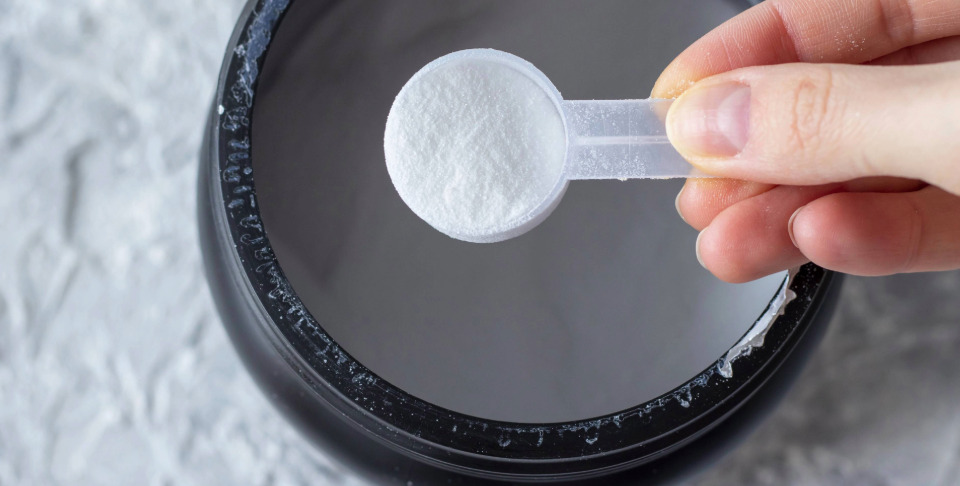
What is Kre-Alkalyn? 🤔
Kre-Alkalyn is a patented form of buffered creatine designed to overcome some of the perceived drawbacks of traditional creatine monohydrate. While creatine monohydrate is highly effective and remains the research gold standard, some users experience bloating, stomach upset, or fluid retention when using higher doses or during loading phases. Kre-Alkalyn was created to offer the performance benefits of creatine while aiming to reduce these side effects 🚀.
Kre-Alkalyn is produced using a special pH-buffering process. This results in creatine that is highly alkaline, typically with a pH above 12. The goal is to help the creatine remain stable in the acidic environment of the stomach so that more of it reaches skeletal muscle tissue intact. Once in the muscle, Kre-Alkalyn supports ATP regeneration, helping improve strength, power, and performance during short, intense bouts of exercise such as weight training, sprinting, or explosive sports 🏋️♀️.
Where Does Kre-Alkalyn Come From? 🌍
Kre-Alkalyn was developed and patented in the United States as a “pH-correct creatine.” Conventional creatine monohydrate can begin to break down into creatinine when exposed to acidic environments and liquid over time. This breakdown may reduce the amount of active creatine that actually reaches your muscles.
By altering the pH and buffering the creatine, the inventors of Kre-Alkalyn aimed to improve its stability and usability. This allows users to take much smaller daily amounts without the traditional loading phase of 20 g per day, which can be uncomfortable for some athletes. As a result, Kre-Alkalyn is often marketed as a more efficient, convenient, and stomach-friendly alternative to regular creatine monohydrate ⚖️.
How Kre-Alkalyn Works ⚙️
The key difference with Kre-Alkalyn lies in its highly alkaline pH. Most creatine products have a pH below 7, where creatine can convert more quickly into creatinine when exposed to acidic conditions, whether in liquids stored for long periods or in the stomach. Kre-Alkalyn’s pH above 12 is intended to minimise this conversion before absorption.
Reduced conversion into creatinine means a greater proportion of the ingested creatine may remain in its active form as it travels through the digestive system. This can potentially improve uptake into muscle tissue and may reduce the likelihood of bloating or gastric discomfort for some users. Once absorbed, Kre-Alkalyn functions just like other forms of creatine, helping regenerate ATP during high-intensity efforts, which supports strength, power output, and training volume 💥.
Kre-Alkalyn Versus Creatine Monohydrate ⚖️
Creatine monohydrate is still considered the gold standard form of creatine, with decades of research supporting its effectiveness for strength, power, and lean mass gains. It is highly cost-effective and works extremely well for most people. However, some individuals report side effects such as bloating, water retention, or stomach discomfort—especially when using higher doses or performing a loading phase of 20 g per day.
Kre-Alkalyn offers an alternative approach. By buffering creatine to a much higher pH, Kre-Alkalyn is designed to be more stable, resisting breakdown into creatinine before it reaches muscle tissue. In practice, this means you can use much smaller doses (1–3 g per day) without loading, which may feel gentler on the stomach and reduce the likelihood of bloating for some users. Some studies and user reports suggest that Kre-Alkalyn can deliver comparable strength and performance benefits to monohydrate with fewer digestive issues. However, overall research volume is still much greater for creatine monohydrate, so athletes who respond well to regular creatine may be perfectly satisfied with monohydrate, while those who struggle with side effects may prefer Kre-Alkalyn as a buffered option 🔄.
Benefits of Kre-Alkalyn for Athletes 🏅
Athletes and gym-goers use Kre-Alkalyn for many of the same reasons they use creatine monohydrate, with the added appeal of improved digestive comfort. Key potential benefits include:
- Increased strength and power: By assisting ATP regeneration, Kre-Alkalyn can help improve performance in short, explosive efforts, such as heavy lifts and sprints 🏋️♂️.
- Improved training volume: Enhanced energy availability during high-intensity sets may allow more reps or sets before fatigue sets in, supporting progressive overload 📈.
- Muscle fullness and cell hydration: Creatine increases water retention inside muscle cells, promoting a fuller look and supporting nutrient transport within the muscle 💧.
- Reduced digestive discomfort: Many athletes who experience bloating or cramps with monohydrate find buffered creatine forms like Kre-Alkalyn easier to tolerate 😌.
- Support for lean muscle mass: Over time, improved strength and training capacity can contribute to gains in lean muscle tissue, especially when combined with adequate protein and calories 🍽️.
Creatine may also offer benefits for older adults by helping maintain muscle mass, which in turn helps support bone health and functional capacity. While most of the research has focused on creatine monohydrate, the same underlying mechanism—muscle creatine saturation—applies to Kre-Alkalyn as well, making it a viable option for performance and healthy ageing.
Kre-Alkalyn Dosage, Side Effects & Safety ✅
One of the standout advantages of Kre-Alkalyn is its low effective daily dose. Because it is marketed as a more efficiently delivered form of creatine, you can use significantly less than you would with a traditional loading-and-maintenance protocol.
Recommended Daily Dose 📏
- Typical dose: 1–3 g per day.
- No loading phase required.
- Can be taken once daily, or split around training if preferred (e.g., pre-workout).
This low-dose approach makes Kre-Alkalyn a convenient, long-term addition to a supplement stack and can also be more economical over time compared with higher-dose protocols.
Side Effects 😌
Kre-Alkalyn is generally well tolerated. Some users who experience digestive upset, cramps, or bloating with regular creatine monohydrate find that buffered creatine is more comfortable. Possible, though usually mild, side effects may include:
- Temporary stomach discomfort
- Mild water retention
- Occasional headaches in sensitive individuals
Most healthy adults experience few to no issues when using recommended doses, especially if they remain well hydrated throughout the day.
Safety 🛡️
Creatine as a whole has been extensively studied since the early 1990s and is considered safe for healthy individuals when used at recommended doses. This includes both monohydrate and buffered forms such as Kre-Alkalyn. As always, anyone with pre-existing medical conditions, kidney concerns, or those taking prescription medication should consult a healthcare professional before starting supplementation.
Kre-Alkalyn Supplements 🧴
Kre-Alkalyn is widely available in:
- Capsules: Ideal for convenience and precise dosing.
- Powders: Easy to mix with water. Try International Protein Kre Alkalyn for a high-quality Aussie product.
- Blends: Included in some multi-ingredient performance formulas for strength, power, and recovery.
Many athletes prefer a stand-alone Kre-Alkalyn product for simple, consistent dosing, while others enjoy having it built into their pre-workout or performance stack. Because of its low dose, it fits very easily into most supplement routines without feeling heavy or filling.
Stacking Kre-Alkalyn 🧬
Kre-Alkalyn stacks smoothly with a wide range of performance and recovery supplements. Popular combinations include:
- Protein powder: Whey, casein, or blended proteins to support muscle recovery and growth post-workout 🥤.
- Pre-workout formulas: Stimulant or stimulant-free pre-workouts to boost focus, energy, and pump—Kre-Alkalyn can be taken alongside these or included within them ⚡.
- Glutamine: For additional recovery and gut support.
- HMB: To help reduce muscle breakdown, especially during cutting or intense training blocks.
- Nitric oxide boosters: Ingredients such as citrulline or arginine to enhance blood flow and pump, pairing well with the strength and power benefits of creatine 💥.
Because Kre-Alkalyn is relatively gentle on digestion and requires only a small daily amount, it rarely clashes with other supplements and is easy to keep in your stack year-round.
References 📚
- Antonio, J., Ciccone, V., Luckow, K., and Swan, P.D. Effects of creatine supplementation on high-intensity exercise performance. Journal of Strength and Conditioning Research.
- Buford, T.W., Kreider, R.B., Stout, J.R., Greenwood, M., Campbell, B., Spano, M., Ziegenfuss, T.N., Lopez, H.L., and Antonio, J. International Society of Sports Nutrition position stand: creatine supplementation and exercise. Journal of the International Society of Sports Nutrition.
- Jäger, R., Purpura, M., Shao, A., Inoue, T., and Kreider, R.B. Analysis of creatine content and stability in various creatine forms. Journal of Dietary Supplements.
- Rawson, E.S., and Volek, J.S. Effects of creatine supplementation and resistance training on muscle strength and weightlifting performance. Nutrition.
- Spillane, M., Schoch, R., Cooke, M.B., Harvey, T., Greenwood, M., and Kreider, R. The effects of creatine ethyl ester supplementation combined with heavy resistance training. Journal of Strength and Conditioning Research.
- Stout, J.R., Eckerson, J.M., Noonan, D., Moore, G., and Cullen, D. Effects of creatine loading followed by maintenance dosing on anaerobic performance. Medicine & Science in Sports & Exercise.